

Quick Answer
A cosmetic pump is a mechanical device that dispenses liquid or semi-liquid products in controlled amounts through a press mechanism. It is widely used in skincare, shampoo, and personal care packaging to improve hygiene, dosing consistency, and user convenience.
Key Facts About Cosmetic Pumps
- Commonly used for lotions, shampoos, and serums
- Typical sizes: 24/410, 28/410
- Typical dosage: 1cc–4cc per pump
- Main types: lotion pump, spray pump, foam pump, airless pump
Introduction
If you are developing or sourcing cosmetic packaging, understanding cosmetic pumps is essential. The right pump affects not only how a product is dispensed, but also how it feels to use, how stable it remains, and how customers perceive your brand.
In this guide, you will learn everything you need to know about cosmetic pumps, including types, working principles, and how to choose the right one.
What Is a Cosmetic Pump?
A cosmetic pump is a dispensing system designed to release a consistent amount of liquid or semi-liquid product with each press. It is commonly used in packaging for skincare, personal care, and cosmetic products.
Main Components
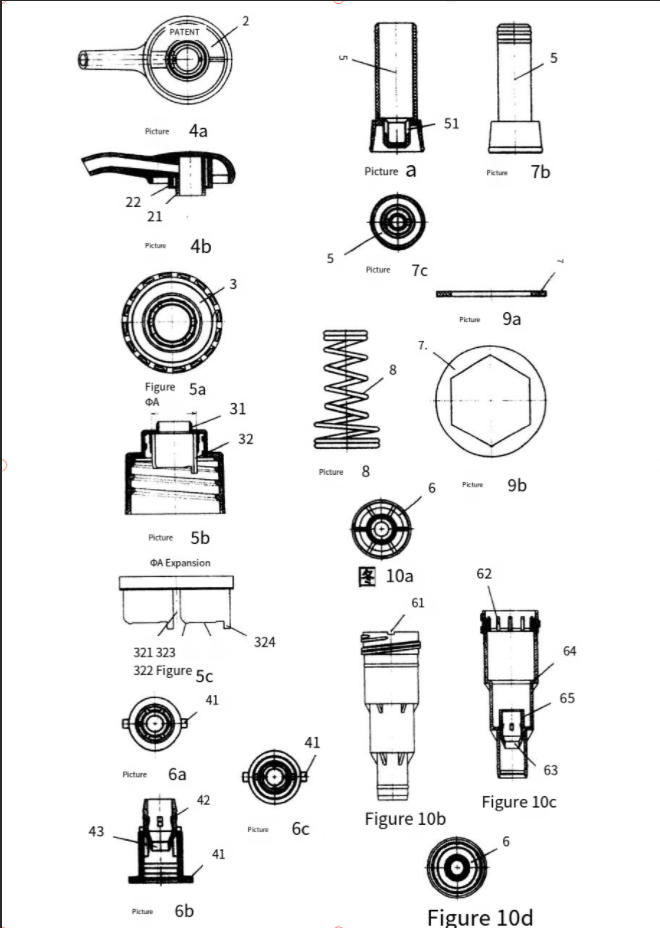
A typical cosmetic pump consists of:
- Actuator – the part pressed by the user
- Closure – connects the pump to the bottle
- Dip tube – draws liquid from inside the container
- Spring and piston system – generates pressure for dispensing
These components work together to create a repeatable and controlled dispensing process.
Cosmetic Pump Structure (Simplified)
A standard cosmetic pump includes several internal and external components working together.
How Does a Cosmetic Pump Work?
Cosmetic pumps operate using a pressure and vacuum mechanism.
Working Process:
- Pressing the actuator compresses the spring
- Pressure pushes liquid upward through the dip tube
- The product is dispensed through the nozzle
- Releasing the actuator allows the chamber to refill
In many practical applications, stable performance depends on proper matching between pump design and product formulation.
Types of Cosmetic Pumps
Different pump types are designed for different products and usage scenarios.
1. Lotion Pumps
Used for:
- Shampoo
- Body lotion
- Liquid soap
Features: Suitable for medium to high viscosity products, with large output capacity
2. Spray Pumps
Used for:
- Perfume
- Toner
- Cleaning products
Feature: Convert liquid into spray
3. Foam Pumps
Used for:
- Facial cleansers
- Hand wash
Feature: Producing foam through air mixing
4. Airless Pumps
Used for:
- Serums
- Premium skincare
Feature: Produces foam through air mixing. Feature: Reduces air contact, which in many cases helps maintain the stability of the formula.
👉 Related: Airless Pump vs Lotion Pump
Key Properties of Cosmetic Pumps
Controlled Dosage
Based on common industry configurations:
- 1cc–2cc for skincare
- 2cc–4cc for shampoo and body care
This allows relatively consistent usage and helps reduce product waste.
Hygiene
Pumps reduce direct contact with the product, which can help minimize contamination risks in many applications.
Compatibility
Pump selection depends on:
- Product viscosity
- Formula composition
- Material compatibility
For example, alcohol-based products may require specific material selection.
Cosmetic Pump vs Other Packaging Options
| Feature | Pump | Jar | Tube |
|---|---|---|---|
| Hygiene | Higher | Lower | Medium |
| Dosage Control | More consistent | Variable | Moderate |
| User Experience | Convenient | Less convenient | Easy |
In many applications, pumps are a suitable choice when controlled dispensing is required.
Common Problems and How to Avoid Them
1. Pump Not Working
Possible causes:
- Dip tube mismatch
- Air leakage
2. Leakage Issues
Possible causes:
- Poor sealing
- Material incompatibility
3. Dosage Inconsistency
Possible causes:
- Viscosity mismatch
- Incorrect spring strength
In practical applications, such problems are usually related to mismatched selections.
How to Choose the Right Cosmetic Pump (Step-by-Step)
Step 1: Identify Product Viscosity
- Thin liquids → spray pump
- Thick liquids → lotion pump
Step 2: Determine Dosage Requirement
- Small dosage → skincare
- Larger dosage → body care
Step 3: Match Bottle Neck Size
Common standards:
- 24/410
- 28/410
👉 Related: Lotion Pump Size Guide
Step 4: Select Pump Type
- Foam → cleanser
- Airless → premium skincare
Step 5: Test Compatibility
Testing with real formulations is recommended in many cases.
Cosmetic Pump vs Airless Pump
| Feature | Lotion Pump | Airless Pump |
|---|---|---|
| Structure | Dip tube | Vacuum system |
| Application | Shampoo, soap | Serum, skincare |
| Air exposure | Present | Reduced |
👉 Detailed comparison: Airless Pump vs Lotion Pump
Case Example (Anonymized)
Problem: A skincare brand experienced unstable dispensing performance.
Method: Adjusted pump dosage and internal spring structure to match product viscosity.
Result: Under typical usage conditions, dispensing consistency improved and user feedback became more stable.
Expert Tip
Based on practical packaging experience, pump performance often depends more on compatibility with the product than on the pump itself. Early testing can help avoid later issues.
FAQ
What is a cosmetic pump used for?
It is used to dispense liquid or semi-liquid products such as lotion, shampoo, and soap.
How does a cosmetic pump work?
It uses pressure and vacuum to move liquid from the container to the outside.
What are the types of cosmetic pumps?
Common types include lotion pumps, spray pumps, foam pumps, and airless pumps.
How to choose a cosmetic pump?
You should consider viscosity, dosage, bottle size, and application scenario.
Why is my pump not working?
Possible reasons include air leakage, blockage, or mismatch between pump and product.
Conclusion
A cosmetic pump plays an important role in modern packaging systems. It helps improve usability, supports consistent dosage, and enhances overall product experience.
Choosing the right pump depends on factors such as viscosity, dosage, and compatibility. In many practical cases, selecting the appropriate pump early can help improve both performance and user satisfaction.
Need Help Choosing the Right Pump?
If you are developing a cosmetic product or optimizing packaging, we can help you evaluate:
- Pump types
- Dosage options
- Bottle compatibility
- Custom solutions
👉 Contact us for pump selection support